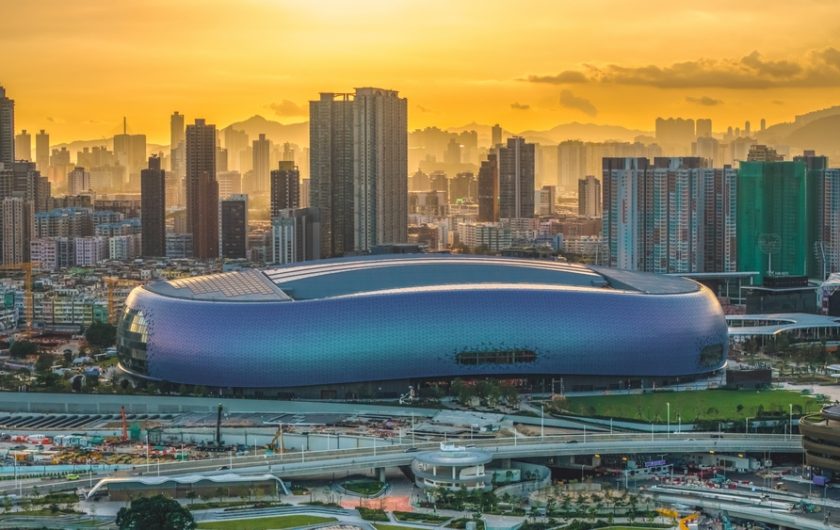
ONE YEAR after its opening, Kai Tak Sports Park has hosted 43 concerts and 109 sporting events, with activities taking place on 152 days, roughly five months of the year.
At first glance, some may question whether this level of usage is sufficient. However, large venues are never designed to operate 365 days a year without interruption.
Concerts and international competitions require time for stage construction, dismantling, rehearsals, and venue reconfiguration. Football matches require turf preparation and recovery periods. These are normal operating rhythms for any world class stadium.
For a newly built complex with an investment of HK$31.9 billion (about USD4.08bn), recording 152 event days in its first year is a respectable start. Since its opening, venue applications have remained strong.
Hong Kong’s Secretary for Culture, Sports and Tourism has noted that bookings for the main stadium are highly encouraging, with performances already scheduled through 2027 and numerous applications under review. This suggests that the venue is attracting major international events. Rather than simply counting how many days are filled, a more meaningful question is how much economic and brand value each event day generates for Hong Kong.
Room for Improvement
The park’s first year has been largely smooth, though there is still room for improvement. Crowd management is a clear example. The simultaneous dispersal of 50,000 spectators presents a challenge for any city.
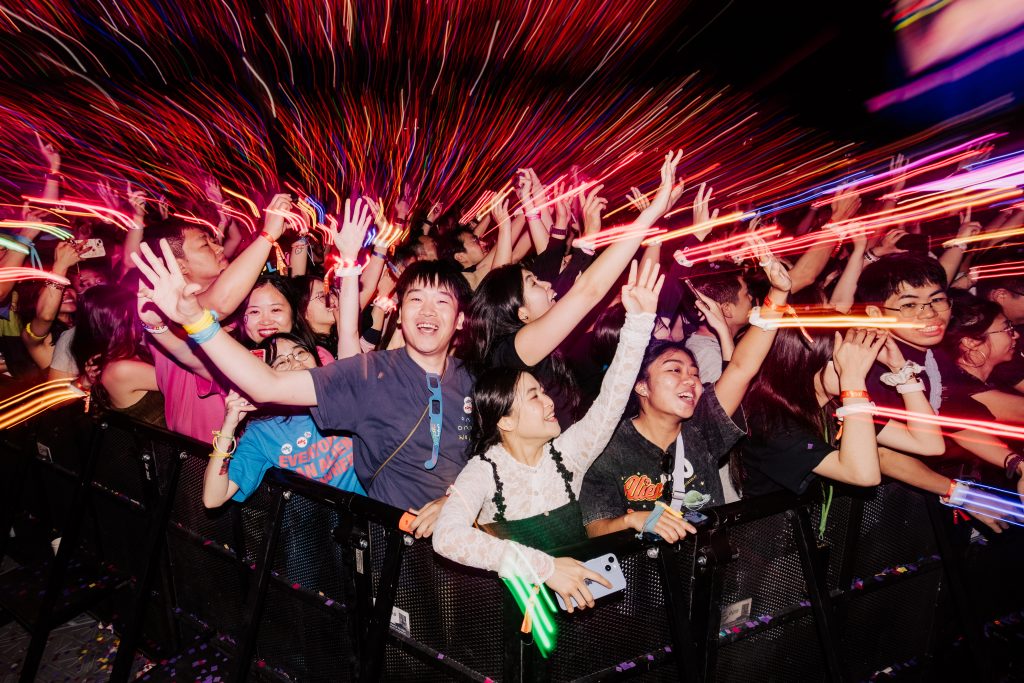
In addition to traffic diversion measures, the park could extend retail and dining hours, introduce post-event performances or interactive activities, and encourage visitors to stay longer. This would ease immediate transport pressure while also increasing spending opportunities.
These measures should be combined with more effective dissemination of real time traffic information. Partnerships with platforms such as Google Maps and Gao De Map to provide live updates on transport arrangements and crowd flow would enhance efficiency and improve the overall visitor experience.
Beyond Sports: a Multifunctional Platform
Positioning the park as focused on sports and entertainment is not inherently problematic. Major sporting events generate significant spending in accommodation, dining, and transportation. The Hong Kong Sevens is a prime example.
Approximately 40 per cent of spectators travel from overseas specifically for the tournament. According to the Hong Kong China Rugby, the event generates around HK$760 million in economic benefits. This demonstrates how high quality sports events can serve as powerful economic drivers.
Globally, however, modern stadiums operate on diversified event models. If Kai Tak is to become a true mega event platform, it should not be confined to sports and concerts.
Given its scale and supporting infrastructure, the venue is well positioned to host professional exhibitions and conventions, including major industry expos, automobile or yacht shows, international cultural festivals, major esports tournaments, and business summits.
International examples provide useful reference points. Last year, Beijing’s National Stadium, known as the Bird’s Nest, hosted the Honor of Kings Grand Finals and attracted 60,000 gaming enthusiasts. The O2 Arena in London regularly stages large fan conventions, including Dungeons and Dragons festivals scheduled for June, which are expected to attract tens of thousands of visitors from around the world. These examples show how modern sports venues have evolved into platforms that accommodate a wide range of activities.
The real question is not whether the venue has a sufficiently high utilisation rate, but whether Kai Tak should be positioned as Hong Kong’s third major convention and exhibition venue, complementing rather than competing with the Hong Kong Convention and Exhibition Centre and AsiaWorld-Expo.
Long-Term Planning and Event Cycles
Securing big international events requires long-term planning. Bidding to host the Asian Games or even the Olympic Games typically involves close to a decade of preparation. International concert tours are planned one to two years in advance. Large global conventions often confirm venues at least three years ahead of schedule. Without a clear positioning strategy for Kai Tak, Hong Kong will struggle to compete effectively for such events, particularly given the limited supply of MICE space in the city.
More… Let a Mega Events Office cheer HK
The government may therefore consider establishing a dedicated coordination office to formulate a long-term strategy for developing Hong Kong into the Events Capital of Asia. This office could serve three primary functions. First, it could identify priority categories of major events that warrant strategic investment. Second, it could provide a unified external liaison platform to support overseas organisers and improve efficiency. Third, it could coordinate complementary events within similar timeframes in order to create synergy and form an event cycle. For example, professional forums could be scheduled alongside cultural or sporting activities to extend visitor stays and encourage participants to travel with family, thereby boosting tourism and consumption.
Kai Tak: a Thriving Event Community
Beyond expanding event categories, Kai Tak should also focus on maximising the use of its surrounding spaces to create what can be described as an off-field economy.
The Leisure and Cultural Services Department is currently seeking a commercial venue operator for Kai Tak Station Square to introduce market-oriented event planning and management services.
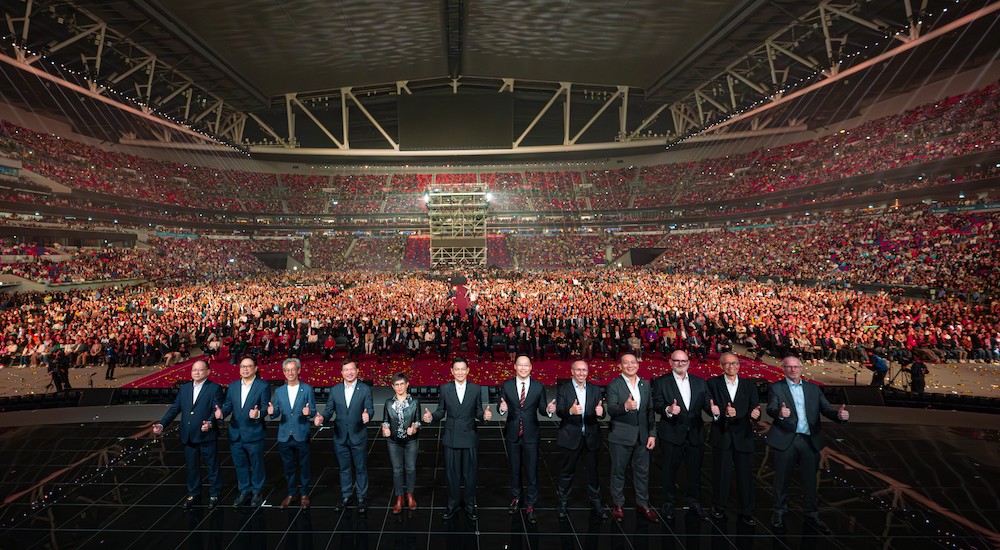
If Kai Tak Sports Park works closely with the future operator and integrates the square, waterfront, and commercial facilities into a cohesive experience during major events, the district could evolve into more than a stadium complex. It could become a vibrant community that remains active throughout the day.
On its first anniversary, Kai Tak Sports Park has proven itself to be a world class venue. The key question now is whether MICE should be formally incorporated into its positioning. If it transforms into a strategic platform for exhibitions, conventions, and curated major events, its impact will extend far beyond infrastructure. It could become a catalyst for Hong Kong’s next phase of economic growth and strengthen the city’s competitiveness as a leading business events destination in Asia.
Roy Ying is a former professional conference organiser. He is a lecturer in events management and marketing at Hang Seng University