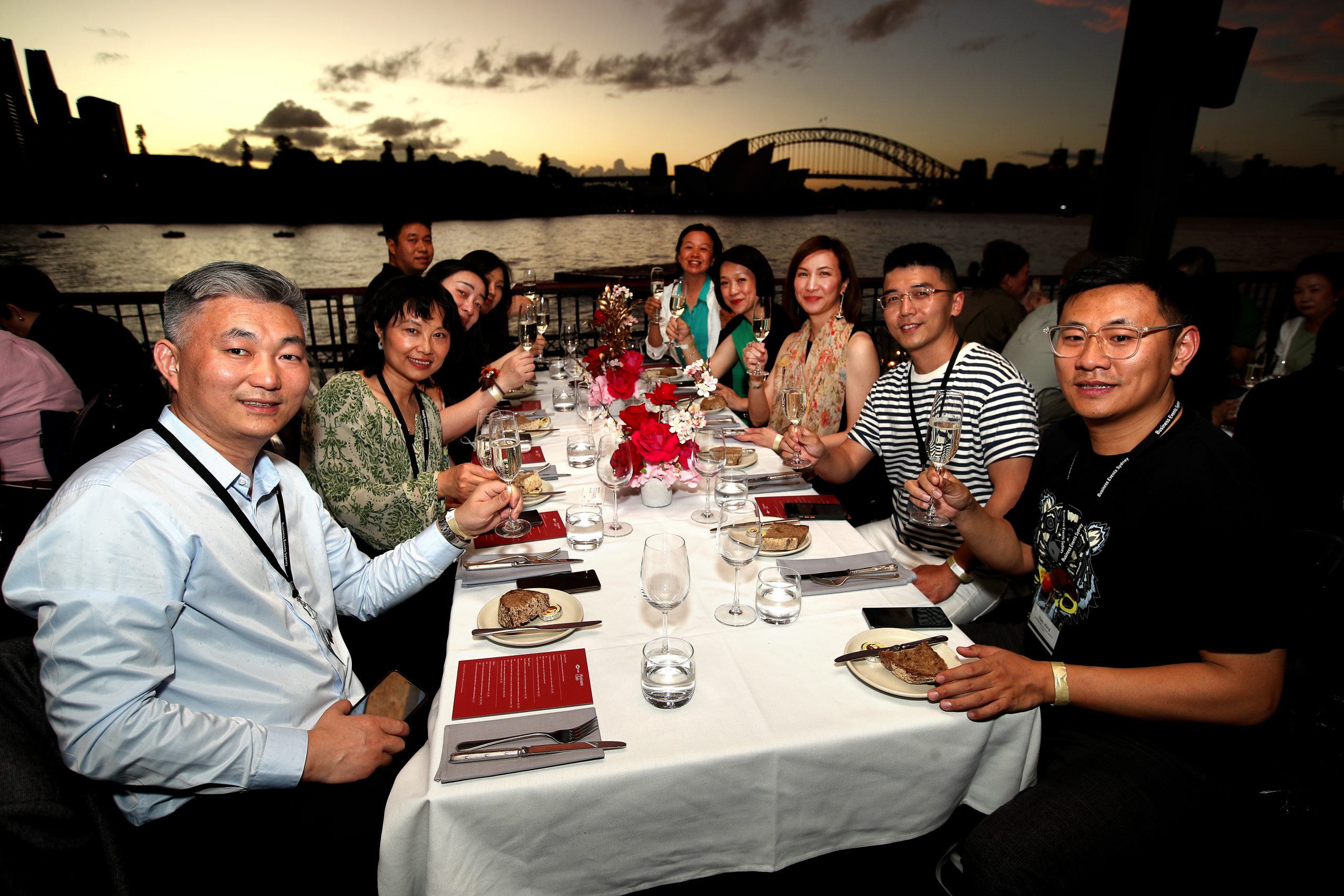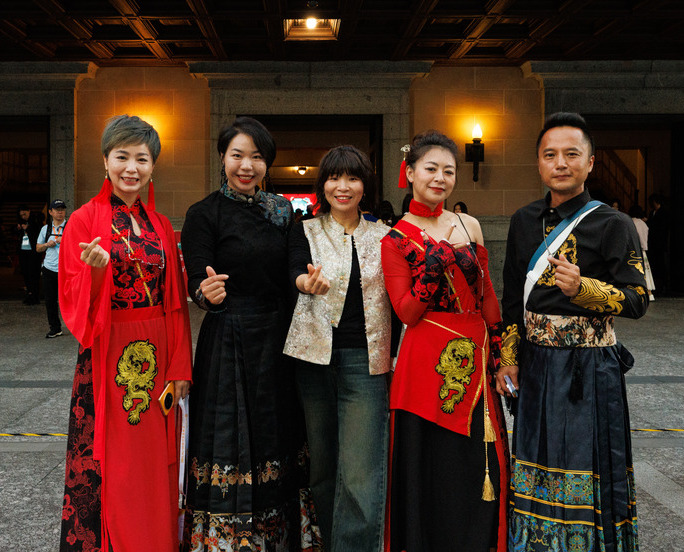
NEW RESEARCH from FCM Meetings & Events (FCM M&E) shows that three in four Asian businesses (74 per cent) now cite engagement as their top reason for hosting events – significantly reshaping the region’s corporate travel landscape.
The findings, published in FCM M&E’s 2026 Global Trends Report, point to a marked shift in business priorities. Development of internal capability, connection and organisational culture has overtaken acquisition and brand‑building as the focus for many companies, particularly amid continuing global uncertainty.
More… Why travel is the best incentive
Asia stands out as the most optimistic region globally: 67.3 per cent of respondents expect their meetings and events budgets to rise in 2026, compared with a worldwide average of 59.4 per cent.
Rising investment, however, is accompanied by heightened expectations. Safety and security remain the top concern for Asian companies (80.5 per cent), while compressed planning windows are intensifying pressure on event organisers.
Planning lead times in the region have shrunk by 18 per cent over two years, leaving teams just 71 days on average from RFP to delivery.
Expectations around experience continue to climb. Audiences want sessions and content that feel relevant and interactive, with stronger pacing and better use of time.”
– Manpreet Bindra, Regional Leader Asia, FCM Meetings & Events
One of the strongest trends emerging from the report is the resurgence of incentive travel across Asia. Markets including Malaysia, Thailand, the Philippines, China and India are seeing renewed enthusiasm for incentive‑based experiences as a means of strengthening performance and retaining talent.
“Programmes are being designed around clear outcomes for teams and the business, with experience used to reinforce performance and connection,” Bindra added.
More… Up Your Incentive Group’s Game!
The recovery of incentive travel is further accelerated by a broader move away from large international conferences. Companies are increasingly favouring regional events, which reduce cross‑border complications, limit travel fatigue and sustain engagement throughout the year.
Another trend gaining ground is tighter regional alignment. Organisations that once allowed local markets to operate independently are now seeking greater consistency in suppliers, processes and reporting. This shift aims to reduce inefficiencies and improve delivery standards while still respecting local nuances.
This is happening without forcing every market into the same mould. The practical goal is simpler delivery and fewer surprises in an uncertain environment.”
Technology adoption is accelerating rapidly, with 78 per cent of respondents globally now using AI to streamline processes and manage costs. Sustainability also remains a significant consideration in Asia, influencing venue selection, programme design and supplier choice.
The report indicates that annual corporate meetings spend is rising: 35 per cent of organisations expect to manage between US$1 million and US$10 million in 2026 – a jump of 19 percentage points from the previous year. As budgets grow, businesses are demanding sharper focus, tighter execution and measurable impact from their events programmes.
According to FCM M&E, the findings underscore how strongly companies continue to value in‑person experiences. Whether delivered through incentive travel, regional roadshows or carefully curated internal events, the message from Asia’s corporate sector is clear: connection matters, and businesses are willing to invest in it.
Main picture… A DJ raises the atmosphere at a corporate event. Companies are finding new ways to engage and incentivise employees