IT’S THAT TIME of year again. What Singapore once called travel week is back, with ITB Asia, hotel investment conference HICAP to bring the region’s tourism, hospitality and business-events stakeholders together.
For MIX, that means considerable stretches of the day in large, largely windowless conference rooms, networking, listening and hunting down the next story.
Usually, you hanker for daylight and those rays of Vitamin D from the Singapore sunshine. This year, I’m not so sure.
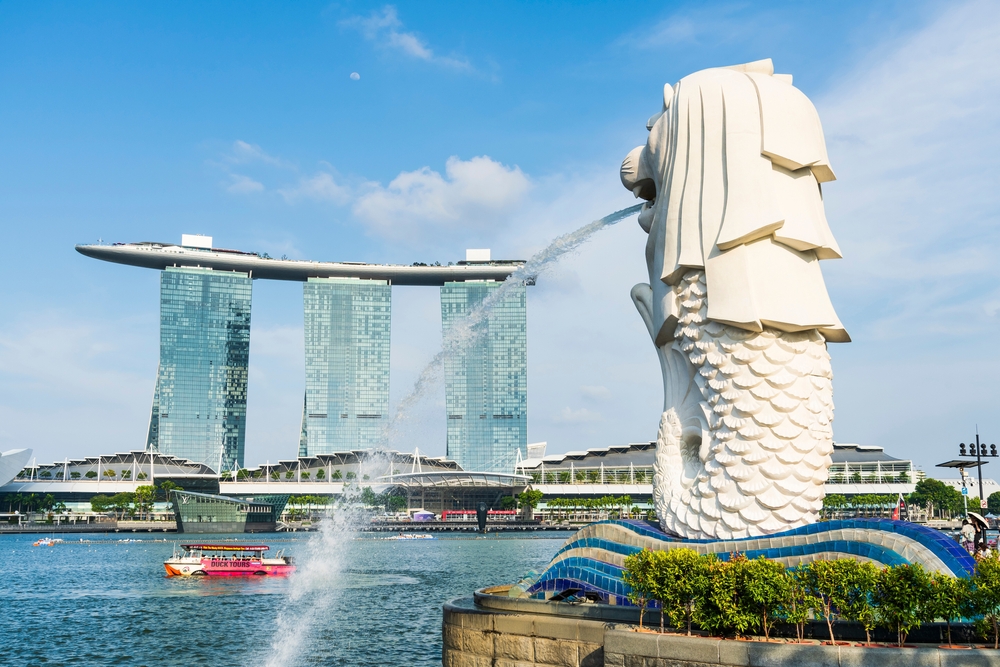
Step outside the air-conditioned protection of Sands Expo and Convention Centre and the reason becomes obvious. Singapore is again living under haze, with the National Environment Agency warning on October 20 that smoke from fires in Kalimantan could drift towards the city-state and forecasting unhealthy PSI readings of 110 to 180.
Kuala Lumpur is under grey skies too. Reports show that its air-quality index reached 172 on October 21, classified as unhealthy, as smoke from Indonesian forest fires continued to drift across the region.
So here’s an awkward question for an industry obsessed with sustainability: why aren’t we making more noise about it?
We rarely miss an opportunity to discuss carbon-neutral events, sustainable aviation fuel, zero-waste conventions, reusable water bottles and the “legacy” that conferences leave behind.
All worthwhile, but clean air is a fairly fundamental sustainability issue too.
And this isn’t just an environmental story. It’s certainly an issue for the meetings industry and corporate travel.
Indonesia’s transport ministry says haze has disrupted 2,604 domestic flights since August 11, while 14 international services involving Singapore have been cancelled. In Malaysia, tourism operators are reporting cancellations and fewer group bookings as haze obscures attractions and creates health concerns during Visit Malaysia 2026.
Where, then, are the voices of the business-events and business-travel establishment?
I was in Sarawak in September for a business-events familiarisation programme when haze was already making itself felt. The options were hardly revolutionary: hope conditions improved, retreat indoors or reach for a Covid-era mask.
More… Events in pole position as Singapore revs up
In Singapore, a change in wind direction eases the density for a few days or so – at least according to the city-state’s taxi drivers, who rarely shy from giving you their opinion. And there was some respite during the Singapore Grand Prix weekend.
I was also told it’s been a decade or so since Singapore had this level of haze, but it is hardly a freak occurrence. Forest and peatland fires have repeatedly caused transboundary haze across Southeast Asia, and corporate agriculture remains part of the uncomfortable conversation. But it is an issue that has to be tackled.
It isn’t simply a case of blaming palm oil. Of the 10 Indonesian companies served notices by Singapore authorities this month, nine are pulp plantations and one is a palm-oil plantation, according to The Straits Times. The wider issue is burning and land management across plantation and forestry supply chains.
There is some legal action, but looking out at the sky from Marina Bay Sands this week, one can’t help but feel that the moves are futile. These moves also include the talking shops of Asean – the Association of Southeast Asian Nations.
Indonesian authorities say 57 business entities with burned concession areas across eight provinces have been identified, while police have named more than 200 people and nine companies as suspects in forest and land-fire cases, according to reports.
Singapore, meanwhile, has dusted off its Transboundary Haze Pollution Act 2014. The law reaches conduct outside Singapore that causes or contributes to haze in the city-state and provides criminal and civil liability.
This month Singapore’s National Environment Agency issued preventive measure notices to 10 Indonesian companies. Three relate to concessions in Kalimantan, on Borneo, from which authorities say smoke could have reached Singapore.
But here’s the smoke-and-mirrors part: MIX has been told that since the law was enacted in 2014, no company has yet been successfully prosecuted under it. Investigations involving four companies over the 2015 haze even remain open.
Perhaps that should make the MICE industry voice out louder, not quieter, on the issue.
Business events constantly sells itself on its ability to create positive legacies for destinations: economic development, knowledge exchange, community benefits and environmental leadership.
Fine words, but legacy isn’t just something that fits neatly into an ESG presentation.
The meetings and travel industries depend on clean, healthy and attractive destinations. Haze damages tourism, disrupts flights, threatens outdoor programmes and makes destinations less appealing to groups. Those aren’t abstract environmental concerns. They’re our concerns.
Yet the industry response remains remarkably muted.
Associations, tourism bodies, travel companies, hotel groups and event organisers do not need to identify culprits before investigations are complete. They don’t need to become environmental pressure groups.
More Opinion… Making Hong Kong Events Mega Green
But they can demand accountability, cleaner supply chains and serious regional action. And they can lend their considerable corporate voices to people asking why an entirely avoidable pollution crisis keeps coming back.
If the business events industry really believes everything it says about sustainability and positive legacy, now would be an excellent time to prove it.
The industry needs to get a lot less hazy about the haze.
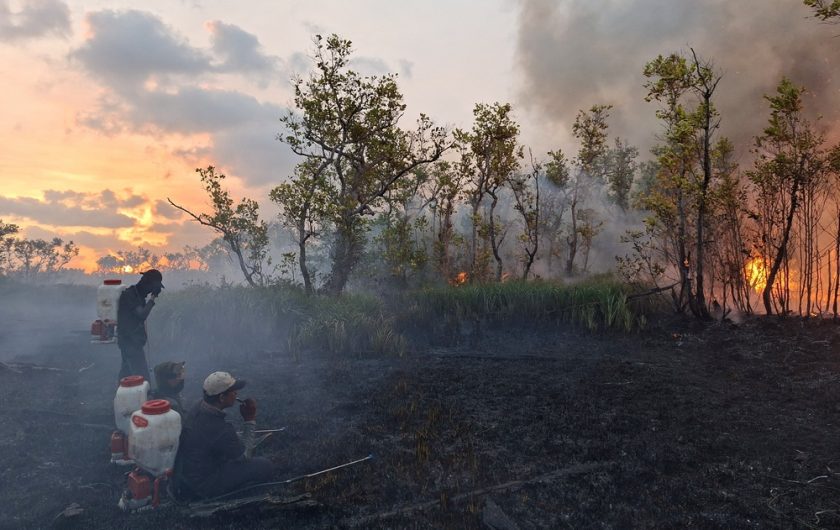
Main image… Stubble burning in Seruyan, Indonesia, flares out of control as firefighters struggle to contain forest fires which have contributed to to haze across Southeast Asia
Martin Donovan is Editorial Director of MIX Meetings – Asia’s Voice for Business Events