NEPAL’s business events and adventure tourism operators are mounting a coordinated resilience campaign following the catastrophic glacial collapse that triggered landslides along the Nepal-Tibet border.
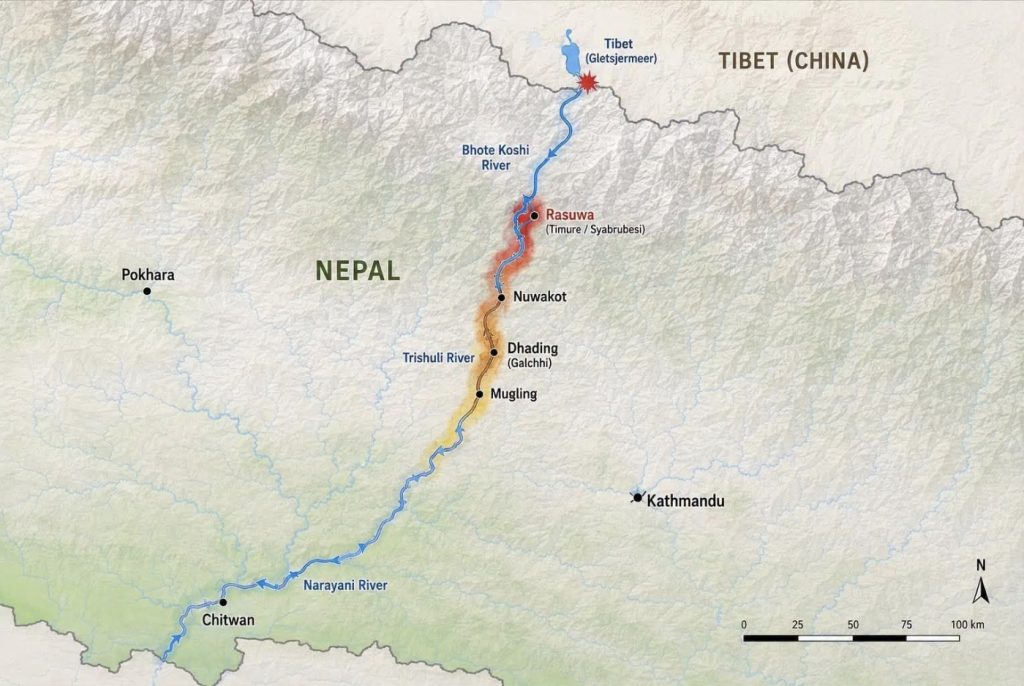
The tragedy, which has claimed more than 1,000 lives, unfolded as travel organisers prepared for the autumn corporate incentive and trekking season. The event caused flash floods that damaged infrastructure along the Bhote Koshi and Trishuli River corridors.
Tourism organisations and international operators are moving swiftly to reassure global corporate planners that Nepal’s primary business hubs remain fully operational following the August 26 avalanche.
In an immediate response to the crisis, the Nepal Tourism Board convened an emergency summit with over 40 key industry stakeholders, including the Hotel Association Nepal and the Trekking Agencies’ Association of Nepal.
The board set up a dedicated Tourism Information Desk to provide planners and foreign embassies with real-time, verified safety data, according to details announced on social media channels.
A key priority for the information desk has been clearing up communication gaps. Travel associations reported that many overseas reports of “missing” groups were due to localised telecommunication outages rather than actual physical danger
The Nepal chapter of the Pacific Asia Travel Association is providing updates on the areas hit by the flash floods. “Wednesday’s flash flood came down the Bhote Koshi and into the Trishuli, striking Rasuwa, Nuwakot, and Dhading districts. Search and rescue continues, and our thoughts are with every family still waiting. The PATA Nepal Chapter’s first priority is supporting that response,” the chapter’s CEO, Suresh Singh Budal, said in a statement.
While major border transit routes and specific northern corridors like the Prithvi Highway faced severe disruptions – temporarily halting itineraries like the Indian-managed Kailash Mansarovar Yatra – the overall message to organisers of event such as corporate teambuilding expeditions is one of adaptability, travel media reported.
“Nepal is not closed,” Nepal Tourism Board stated in a formal directive to the global travel trade. Organisers are being encouraged to make rearrangements rather than cancel.
Central Kathmandu’s main convention hotels, cultural heritage sites, and the entire Pokhara region remain structurally unaffected and ready to host corporate groups, officials told media. Local destination management companies (DMCs) are already rerouting autumn incentive itineraries to these stable zones, according to reports.
TO DONATE…
The Government of Nepal has set up a relief fund to support that nationwide disaster rescue, relief and rehabilitation operations. People from anywhere in the world can donate to the Government of Nepal Prime Minister’s Disaster Relief Fund via this link: https://pmdrf.nchl.com.np/
Meanwhile, global adventure and incentive travel brands have launched massive fundraising campaigns. Travel media has reported how The Intrepid Foundation immediately partnered with the Red Cross to launch an emergency appeal, offering dollar-for-dollar matching up to US$72,000. Exodus Adventure Travels committed up to $10,000 in matching funds, while the Sherpa Hospitality Group partnered with the Pasang Lhamu Foundation to channel corporate travel contributions directly into the Prime Minister’s Disaster Relief Fund.
These initiatives as seen as offering a way corporate clients can quickly integrate Corporate Social Responsibility (CSR) components into their upcoming travel itineraries.
As the immediate crisis transitions into recovery, industry leaders are framing the event as a catalyst for evolution. Rajendra Bahadur Lama, General Secretary of the Nepal Mountaineering Association, called the landslides a “serious warning” but emphasised it should not deter international corporate groups. Instead, the association is urging business event organisers to partner with local stakeholders to champion a “safer, smarter, and climate-resilient” future for Himalayan travel.
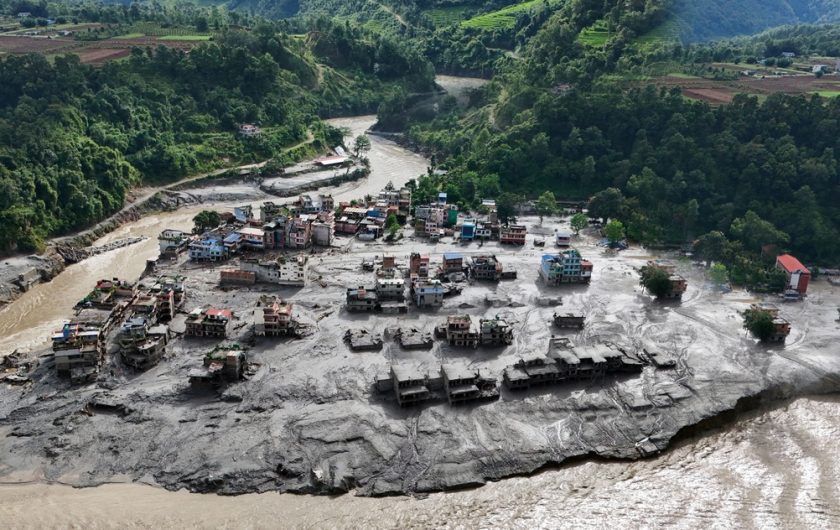
Main image… A drone view shows mud from floods covering buildings in Trishuli, Nuwakot District, on August 27 – a day following the devastating landslide