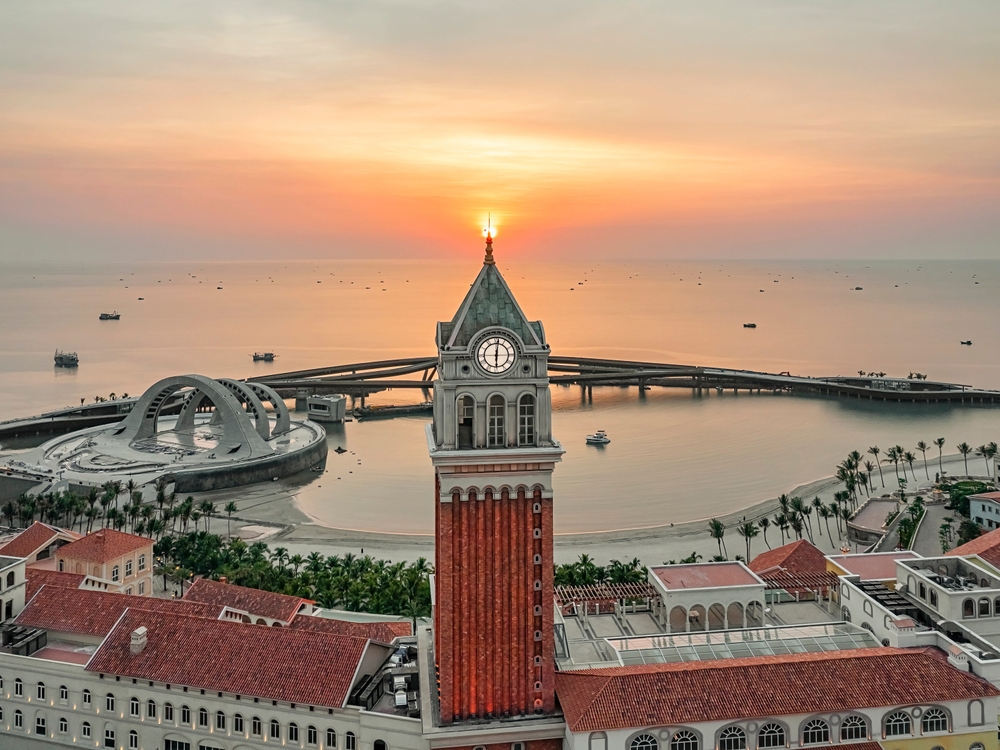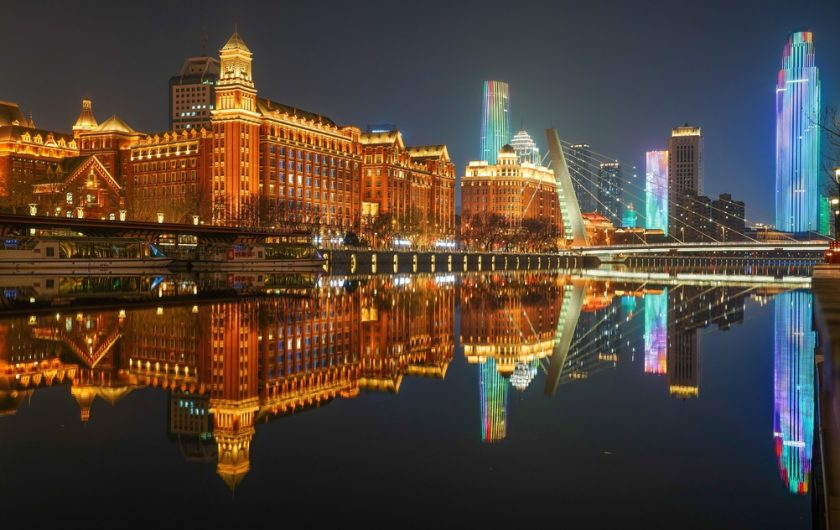
INTERNATIONAL delegates will find that Tianjin’s greatest surprise is not just its convention centres, high-speed rail links or industrial might. It is that some of the city’s most compelling event experiences are found among the elegant mansions, former banks and consulates built during one of the most sensitive periods in China’s modern history.
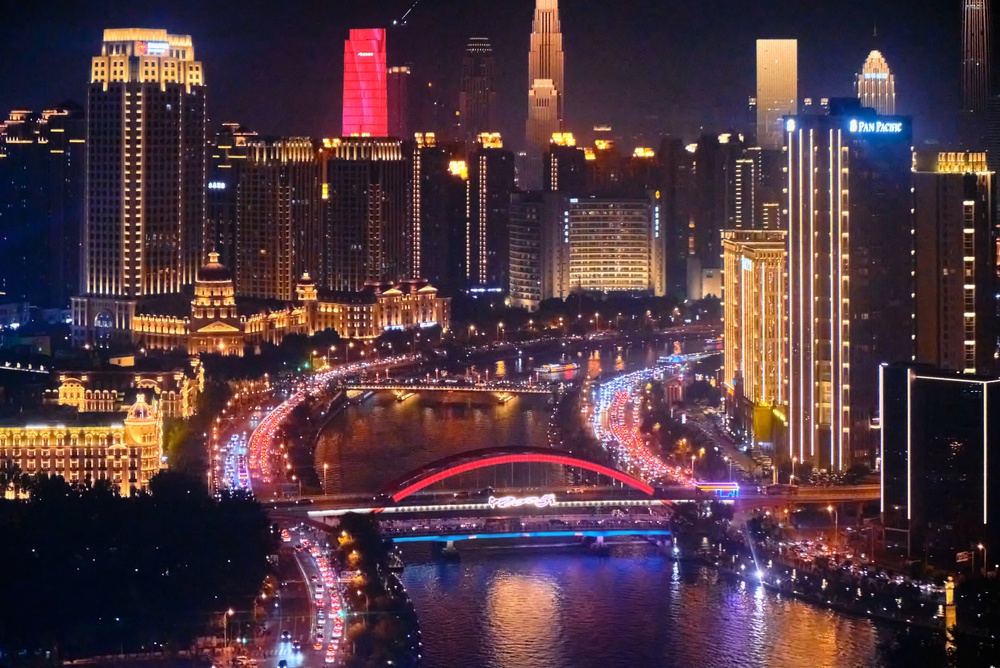
There is, however, a bigger surprise than all those qualities – and it’s a most illuminating one: a nighttime cruise along the Haihe River with a light show beamed from and onto historic bridges, buildings old and new. Nanjing’s display of LED spectaculars should rank well above those seen from the Huangpu River in Shanghai and certainly the efforts in Hong Kong and Singapore.
Today Tianjin, with a population of 13 million, is one of northern China’s two direct-administered municipalities, reporting directly to the central government. Its reputation for lifestyle standards alongside economic opportunity is on the rise.
It became a treaty port in 1860, opening the door to a succession of foreign concessions established by Britain, France, Germany, the United States, Russia, and a host of European powers. These districts emerged through treaties imposed on China under military pressure during the 19th century.
Yet Tianjin has chosen neither to erase nor glorify that past. Instead, the city has reclaimed it.
Many of the concession-era buildings have been restored and repurposed as hotels, museums, restaurants, cultural venues and visitor attractions that contribute to the city’s economy and character. What was once a symbol of foreign influence has become a resource for local development and a distinctive asset for business events and incentive programmes.
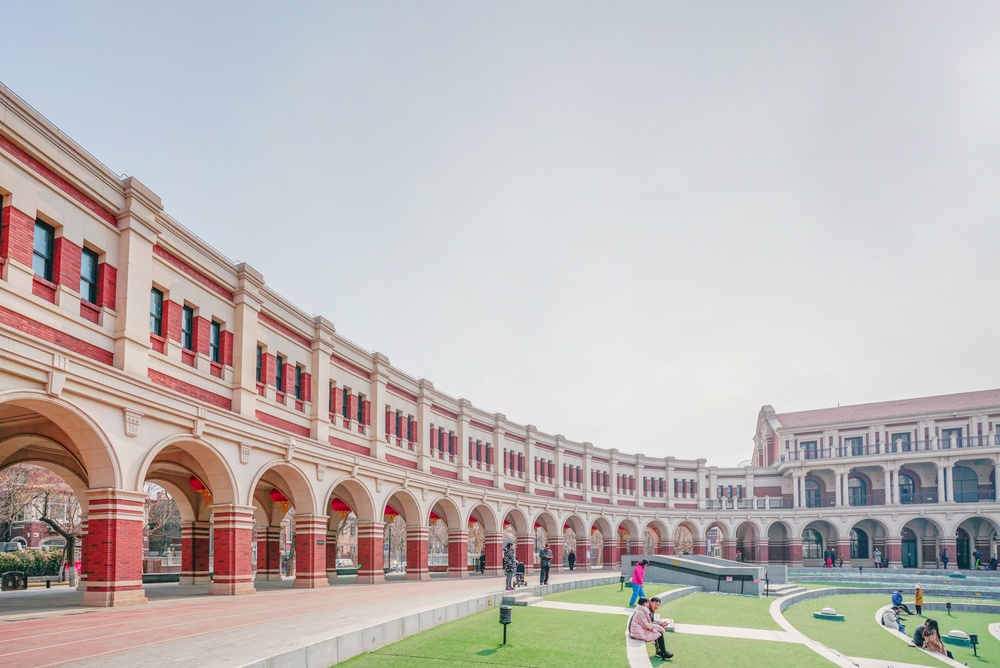
For meeting planners seeking destinations with a strong sense of place, Tianjin offers a narrative that is increasingly rare in Asia: a city that acknowledges a complicated history while confidently looking towards the future.
Delegates can spend the morning exploring the Five Great Avenues district, strolling past former residences, diplomatic buildings and tree-lined streets that evoke Europe in the early 20th century.
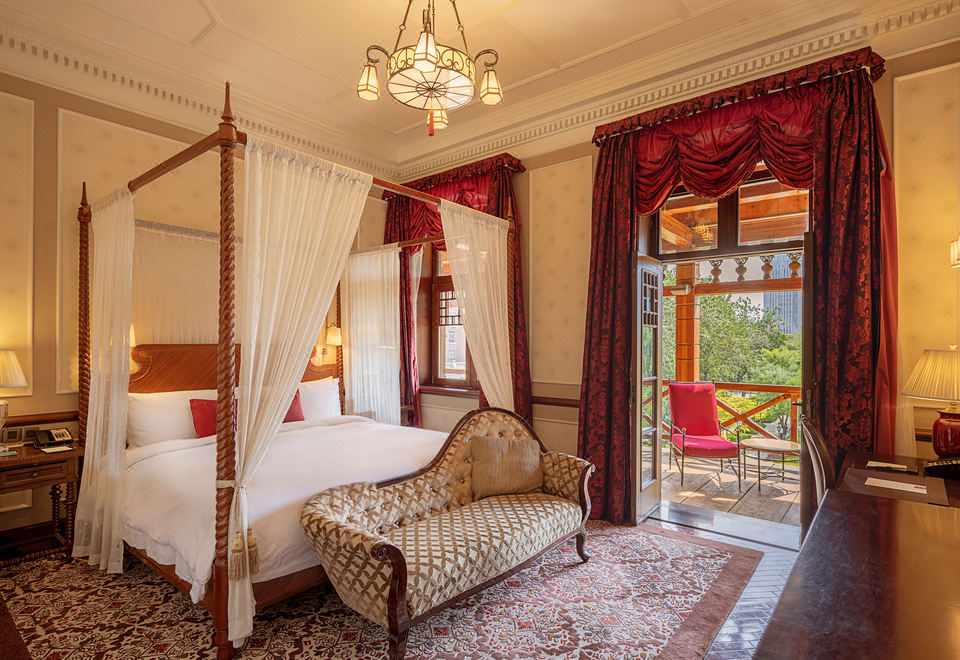
Among the standout heritage properties is the Astor Hotel, reckoned to be the country’s only hotel with a dedicated museum chronicling its own history and notable guests. Once a bastion of the concession era, it now shows how Tianjin can preserve historical icons of the past while embracing a technological – and green – future.
Tianjin’s approach has created an appealing proposition for international groups. Rather than treating its colonial-era architecture as uncomfortable relics, the city has incorporated it into a broader story about resilience, reinvention and global connections.
Navigating the future
That historical backdrop sits alongside a city focused firmly on innovation.
The 30-minute high-speed rail journey from Beijing immediately showcases modern China, while Tianjin’s vast port continues to strengthen its position as one of northern China’s most important gateways for international trade and cruise traffic.
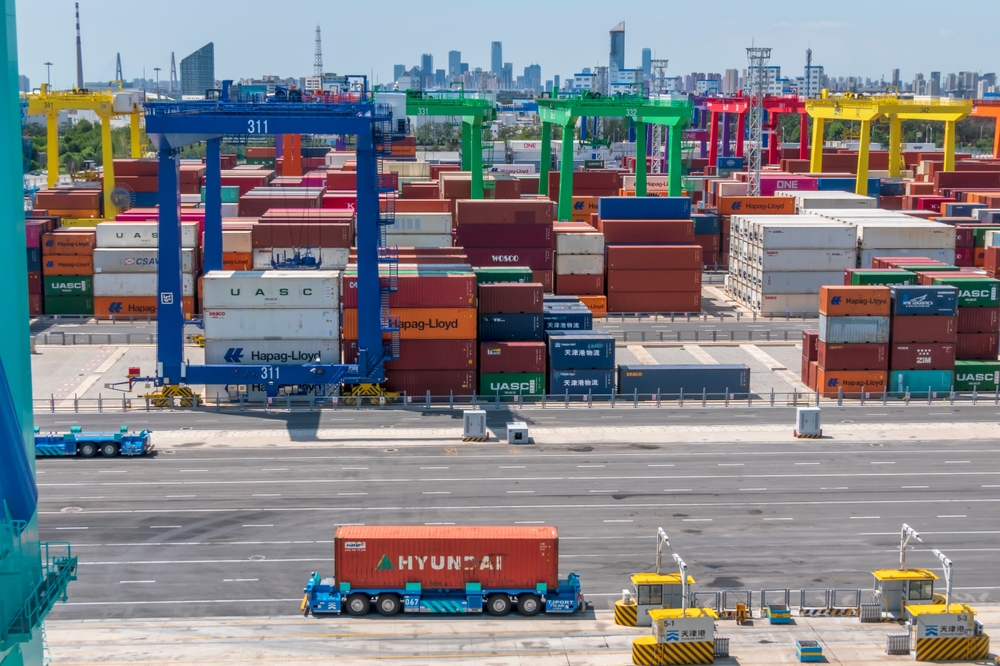
The Port of Tianjin has become a showcase for China’s vision of modern, low-carbon trade infrastructure. As the world’s first ‘smart zero-carbon’ container terminal, it combines renewable energy from wind and solar power with automated cranes, driverless electric vehicles, AI-enabled logistics systems and digital control platforms that slash emissions while improving efficiency. The port also places Tianjin as a vital hub in China’s Belt and Road Initiative, linking domestic manufacturing with shipping routes across the world.
The National Convention and Exhibition Centre (Tianjin), which opened in 2021, represents one of China’s most ambitious business event projects. Covering 1.38 million sqm, including 400,000 sqm of indoor exhibition space and 26,000 sqm of conference facilities, it was conceived as a new-generation green and intelligent exhibition complex and remains the largest exhibition venue in northern China – at least until the next record-setting venue comes along!
The complex has a covered walkway link to the Marriott and Four Points by Sheraton hotels. The dual-tower hotels share ballroom levels, breakout rooms and areas for coffee and networking.
International brands such as the Conrad, Four Seasons, The Ritz-Carlton, Westin, Shangri-La; St Regis, Banyan Tree, Pan Pacific and Holiday Inn have a strong presence in the city. Tianjin’s tourism authorities also recommend the ever classic Astor, the International Hotel and the Peace Hotel.
Why planners should consider Tianjin
While Tianjin positions itself as a centre for technology, innovation and sustainable urban development, it is a destination that appeals to delegates not only curious about China’s future, but also its past.
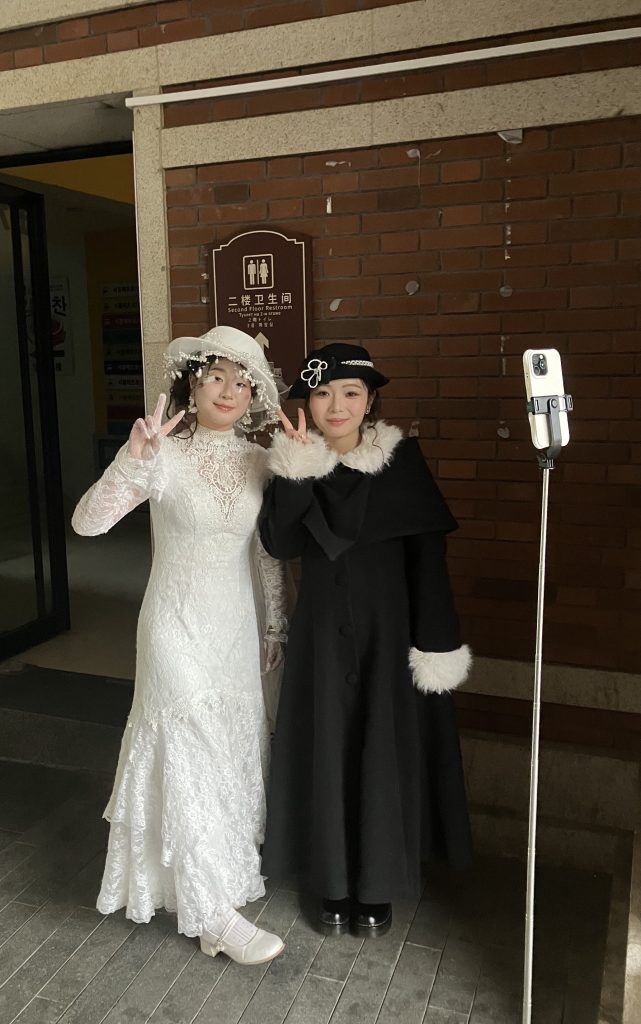
An incentive itinerary programme can combine a cruise along the Haihe River, a heritage tour of former foreign concessions, a performance of Peking Opera at Guangdong Hall and behind-the-scenes encounters with a city that has helped shape modern China’s engagement with the world.
Tianjin works equally well as a standalone destination or as an extension to Beijing, which is half-an-hour away by high-speed rail. International access is also provided through Tianjin Binhai International Airport, or one of Beijing’s two airports, while proximity to the Chinese capital creates opportunities for twin-city incentive and conference programmes.
The concession buildings that once symbolised foreign control have been reclaimed as part of Tianjin’s own story. They now contribute to tourism, culture and business events while providing a distinctive backdrop to a city focused on smart development, sustainable growth and international engagement.
For planners looking beyond China’s established gateways, Tianjin offers a combination of heritage that has been repurposed, rather than hidden, and a future that is already taking shape.
++++++
ITINERARY IDEAS
Five Great Avenues (Wudado)
The first large-scale sight in this walking itinerary is Minyuan Square, built as a football stadium in the British concession. Eric Liddell, one of the Olympic athletes depicted in the Oscar-winning Chariots of Fire, played a central role developing the complex after he migrated to China as a missionary. Minyan still has a running track used by joggers while its building is home to coffee shops, restaurants and other businesses.
Haihe River Cruise
Book your groups on one of the nighttime excursions and they’ll enjoy Asia’s most amazing city light show, probably even the world’s.
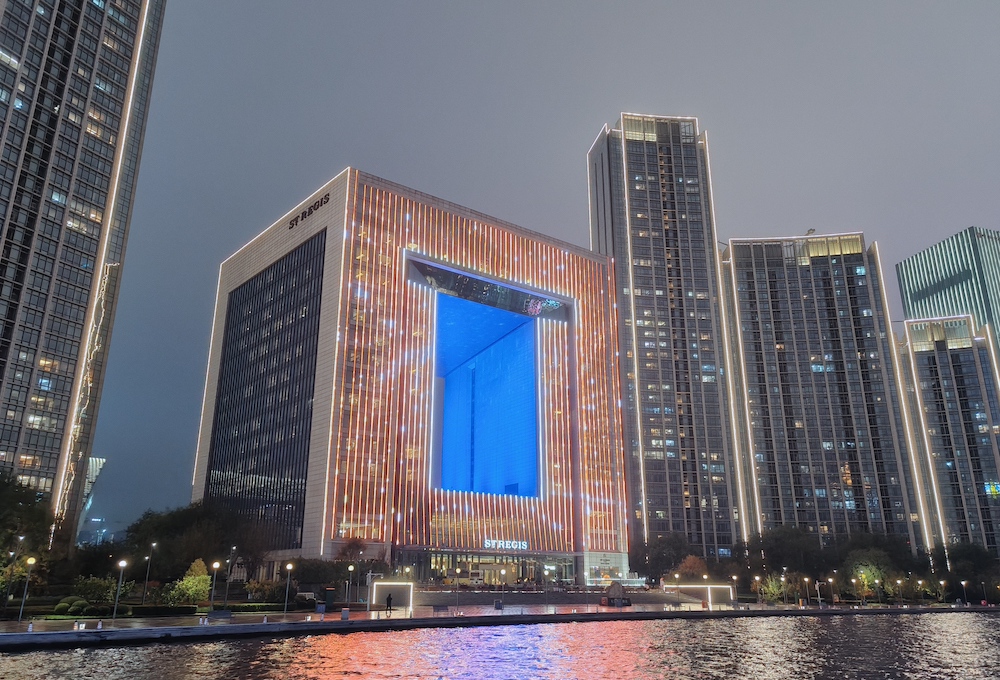
The cruise begins quietly, even dimly, as the vessel’s crew awaits the light-show start and steers under bridges that open to an amazing illumination of architecture old and new. The geometrically intriguing hollowed design of The St Regis Tianjin (above) stood out for me, but plenty more sights vie for attention.
Haihe Cruises operates 30 vessels using six of the 13 piers up and down the urban stretch of the river. The operator covers about 35km of the city’s waterways.
What goes on at the Astor
The old section of the hotel steps back in time, with “Astor guests” from the 1920s brought to life in the Night of Flowing Light performance. This play in three parts taking the audience through the old public areas of the property, from the teak revolving doors to the old hotel’s lobby, which was known as Thames Hall.
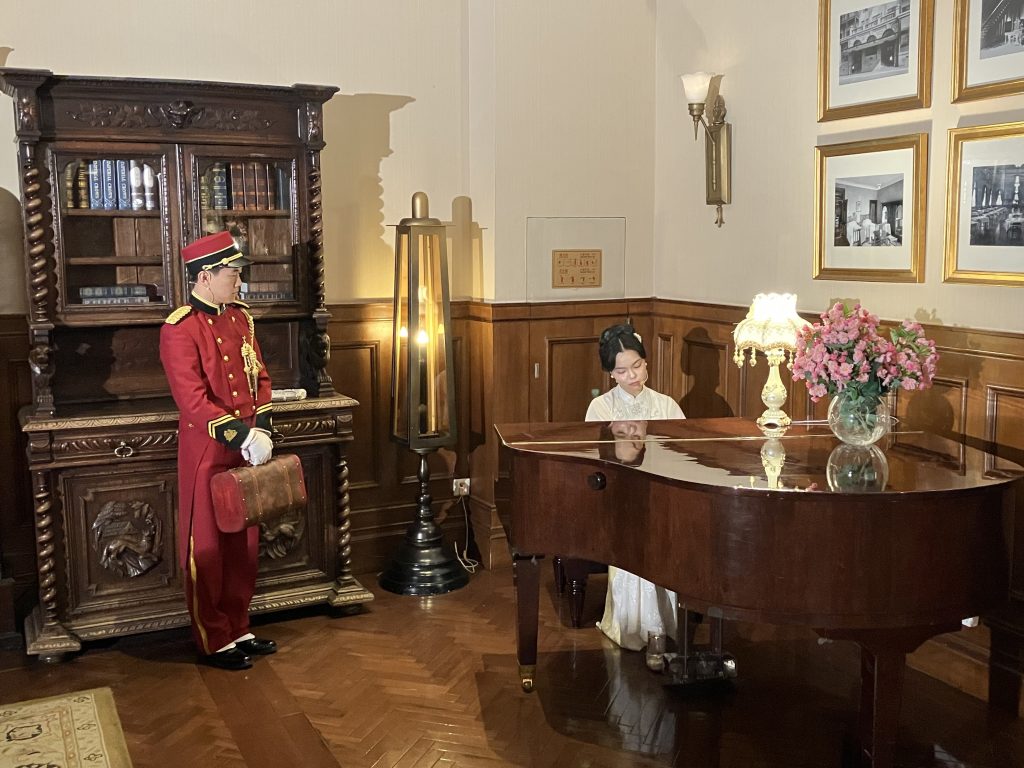
A narrator dressed as a 1920s bellboy leads the audience to different locations, beginning at O’Hara’s Bar, to the museum-like lobby where the main characters in China republic-era fashions are introduced. Act II takes groups to the equally historic tea lounge for some soap-operatic drama before the bellboy leads groups back to the old lobby where the finale climaxes with two opera singers descending the wooden staircase to join a balletic dance scene in “Thames Hall”. It’s a Roaring ’20s drama that brings the antique section of the Astor Hotel to life.
Guangdong Guild Hall
The Guangdong Guild Hall offers delegates a glimpse into Tianjin’s performance heritage. Built by Cantonese merchants more than a century ago, the landmark is known for its traditional architecture and links to Peking Opera.
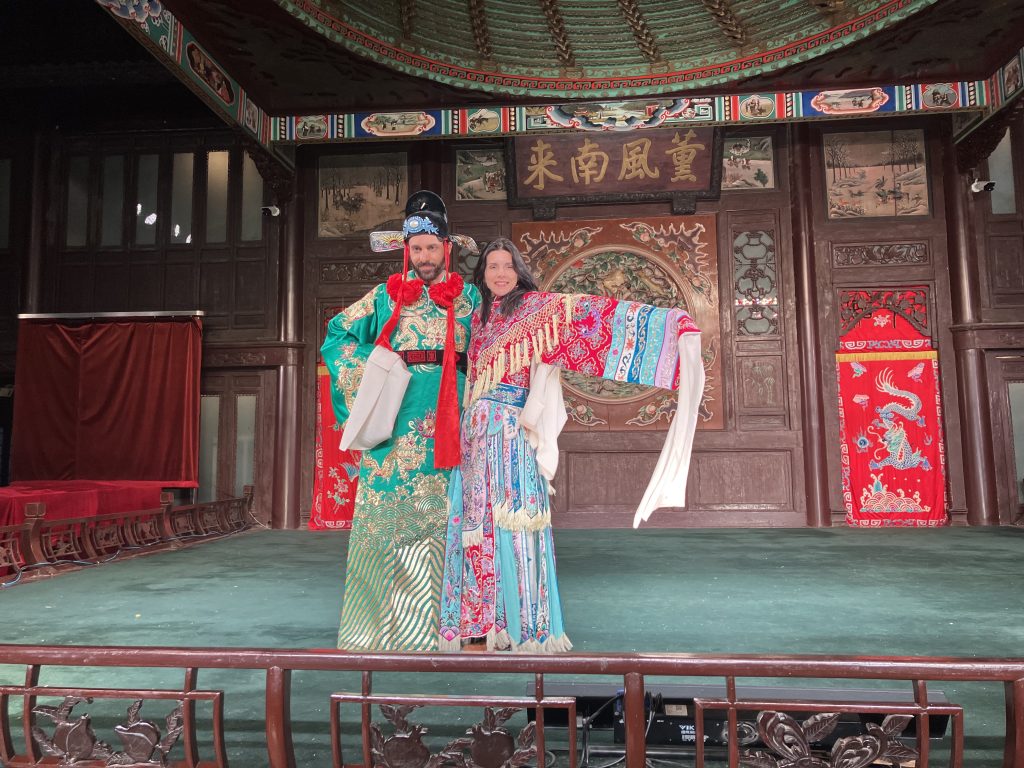
For incentive groups, cultural demonstrations and workshop-style experiences can add a hands-on element to a city programme. By special arrangement, group members can be selected to take to the stage in the flowing garments of the performers and even experience the facial makeup that adds dramatic impact, and moments to cherish.
Jiefang North Road: Tianjin’s Oriental Wall Street
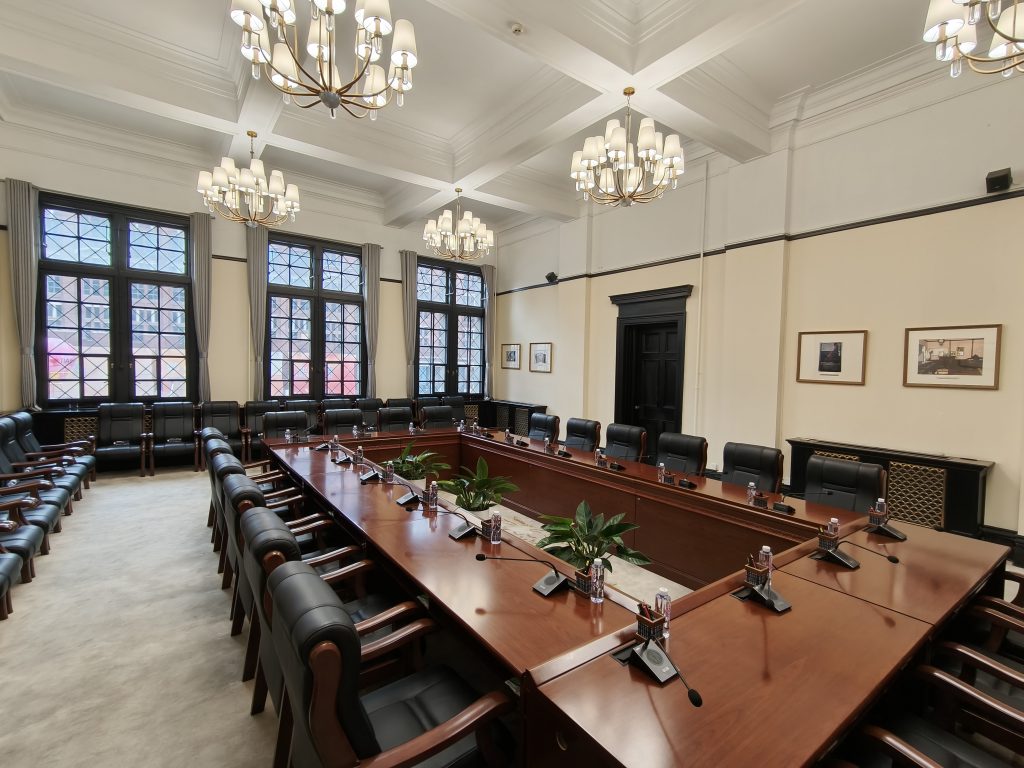
Known in the concession era as the Oriental Wall Street, Jiefang North Road was once the city’s financial heart, lined with foreign banks, trading houses and insurance companies.
Today, its collection of preserved buildings provides a compelling backdrop for guided walks, photography and themed networking events, while illustrating Tianjin’s role as a gateway for international commerce.
Sky Terrace: Viewing Tianjin from on high
For panoramic views, groups can head to one of the city’s high-rise observation venues overlooking the Haihe River and Tianjin skyline. The experience works particularly well at sunset or after an evening river cruise, showcasing the contrast between the city’s historic districts and modern developments. Nearby, the 120m-high Tianjin Eye adds another aerial perspective and remains one of the city’s most recognisable landmarks.
Martin Donovan is the Editorial Director of MIX Meetings. He was a guest of the Astor Hotel Tianjin, which is owned by Tianjin Tourism Group under the city’s municipal government