A SINGLE-STAGE event can a straightforward job. One photographer follows the programme, the keynote lands, the group photo happens, everyone goes home. The moment a conference splits into breakout rooms, however, the photography brief stops being a line item and becomes a staffing question.
That is why a clear brief establishes the coverage priorities before the big day. To get that right, here are the six questions I would settle first…
1/ How many rooms run at the same time?
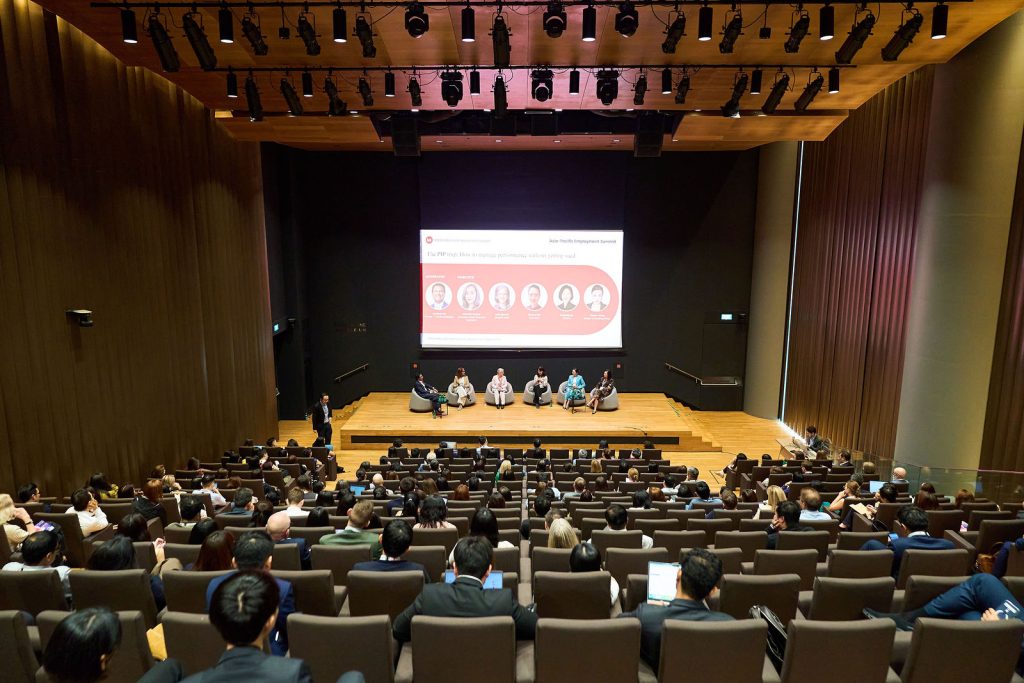
Count concurrent rooms, not total sessions. A two-day programme with 40 sessions sounds large, but if only three rooms are ever live at once, that is the number that sizes the crew.
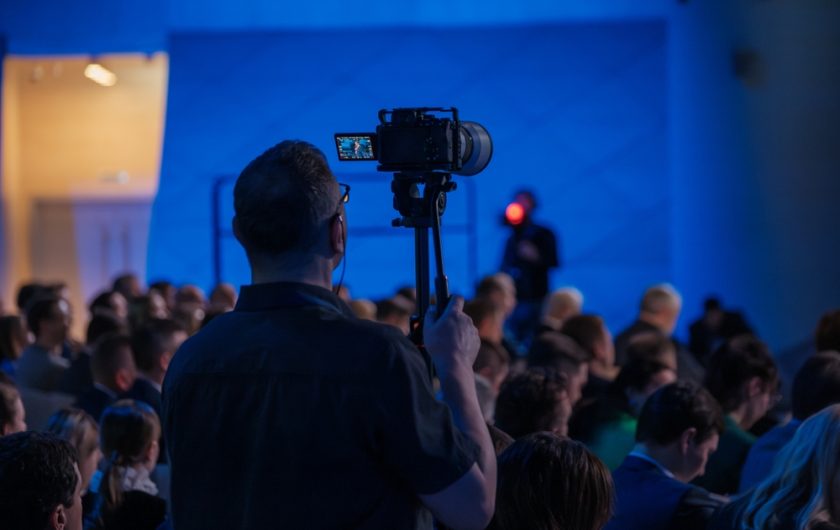
Our rule of thumb is one photographer per concurrent room, plus one roamer who covers the foyer, the exhibition floor, exhibitor booths and the moments between sessions.
Give the roamer a brief of their own: networking, registration queues, coffee-break conversations, the energy of a full venue.
If the budget genuinely cannot stretch, decide in advance which rooms get full coverage and which get a 15 minute visit. Write that down. It is far better than a photographer making the call on the day while three speakers are on stage at once.
2/ Who needs pictures, and when?
The communications team posting on LinkedIn during the event has a different deadline from the sponsorship team building a post-show report. Ask your photography team for two separate delivery points: a small set of selects during the event for same-day social media posts, and the full edited gallery afterwards.
Agree both in the brief and in the quote, so nobody assumes the other.
It also helps to ask whether the crew can copy the unedited JPEGs to your laptop on site at the end of the day (bring one; a card reader needs a host computer).
If a company laptop blocks USB drives, ask for a download link that evening or the next morning instead. Expect JPEGs only, not RAW files.
3/ Is there a run sheet with names?
A photographer who knows that the minister arrives at 9.40am, that the CEO presents the award at 4.15pm and that the sponsor wants a handshake photo at their booth will get those shots. A photographer working from a printed agenda will get most of them. Send the run sheet, mark the must-have moments, and add photos or descriptions of the VIPs. If the group photo has a fixed slot, say who arranges the people; it should not be the photographer.
4/ Who owns the photos afterwards?
Settle usage before the event, not when a sponsor asks for files six months later. One option to discuss is that the photographer keeps copyright and the client receives a perpetual, worldwide, non-exclusive commercial licence, with resale and sub-licensing excluded. If sponsors, speakers or partner organisations intend to reuse the pictures, state this in the brief so the licence covers them.
5/ What does the venue need to know?
Photo booths and live elements take floor space, and venue coordinators will ask for it early. A standard booth needs roughly 2×2 metres, more if you add a backdrop; a 360-degree booth needs a clear area of about 3×3 metres for its safety radius. If you want aerial footage, flag it at the very start and allow lead time for a permit from the relevant aviation or local government authorities.
Our own drone work in Singapore is flown by a licensed, CAAS-permitted partner operator.
6/ Local crew or flying in your own?
For overseas organisers, bringing a home-country photographer is often a cost question dressed up as a quality one. Add up the flights, hotel nights, customs paperwork for equipment and whether a work visa is required. Then compare those costs and paperwork with assigning a local crew that already knows the halls. Whichever you choose, ask whether cameras record to two memory cards at once; it is a small question that tells you a lot about how a team protects your files.
These questions are not complicated. It’s easier to get answers to them a few weeks before the conference than at 8am on the first morning, with registration open and the first room already filling up.
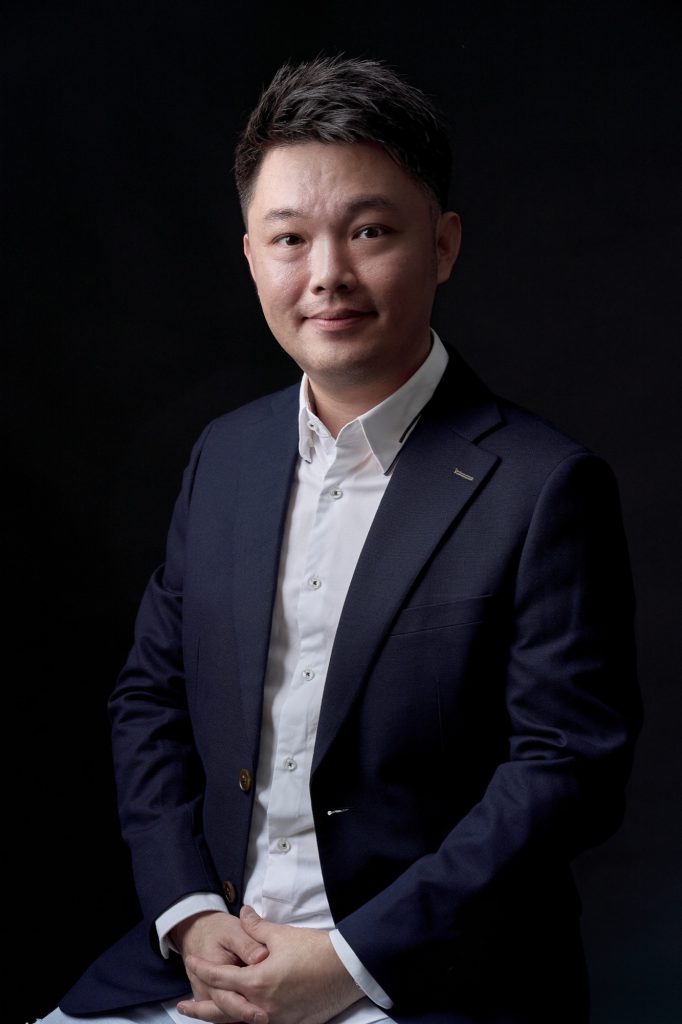
Ricky Ee is Director of RS Photography, an event photography and videography company in Singapore